Birding

Birding in Sinharaja

Endemics, specialty owls and the famous mixed-species flocks of Sri Lanka’s lowland rainforest, with a naturalist beside you.

The birding

A specialist base for serious birders

Whether you are chasing every endemic or simply want to enjoy the forest, we plan each day around your goals, pace and target species.

Sri Lanka Blue Magpie · Red-faced Malkoha · Chestnut-backed Owlet · Serendib Scops Owl · Green-billed Coucal · Spot-winged Thrush · Sri Lanka Junglefowl · Green Pit Viper · Hump-nosed Lizard ·  
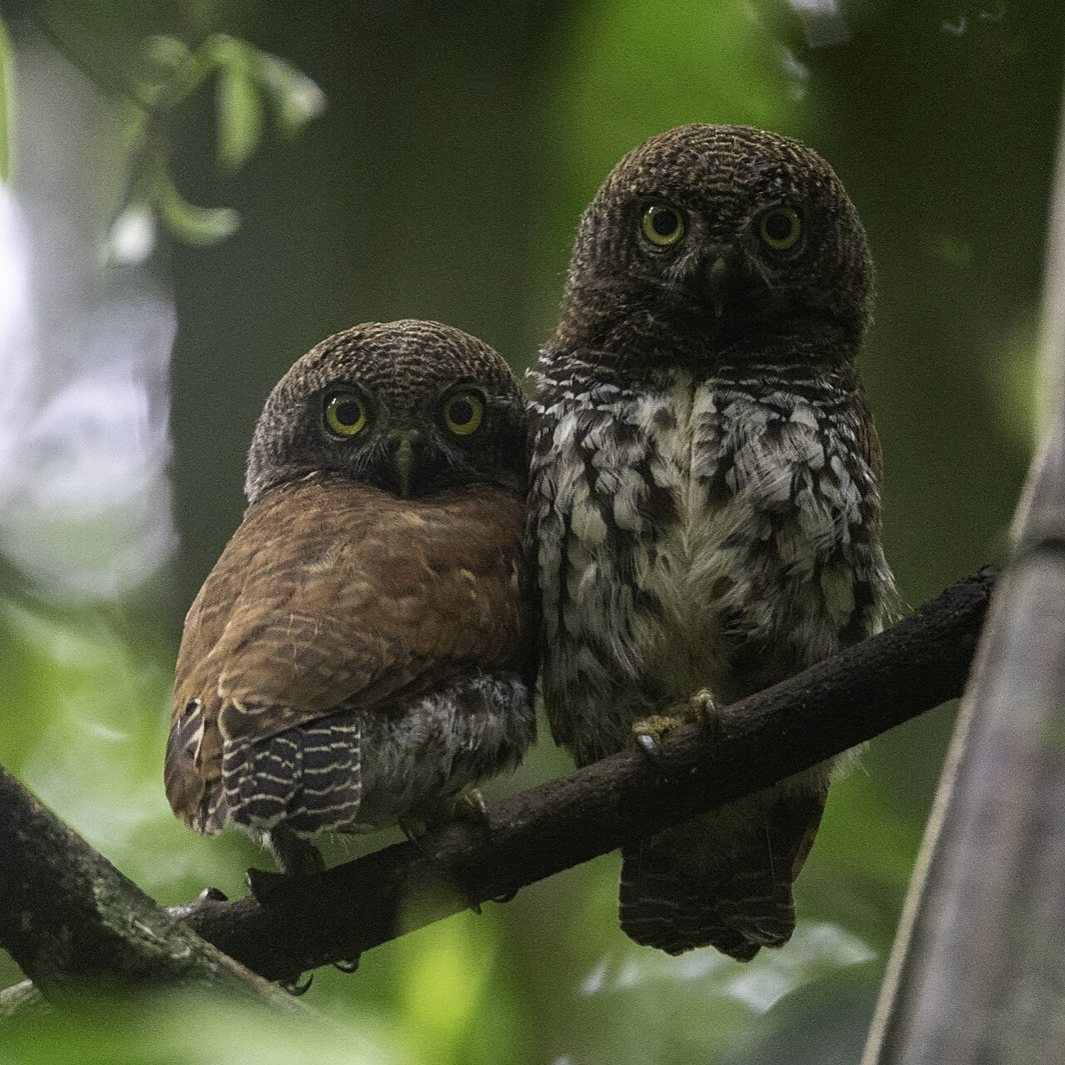
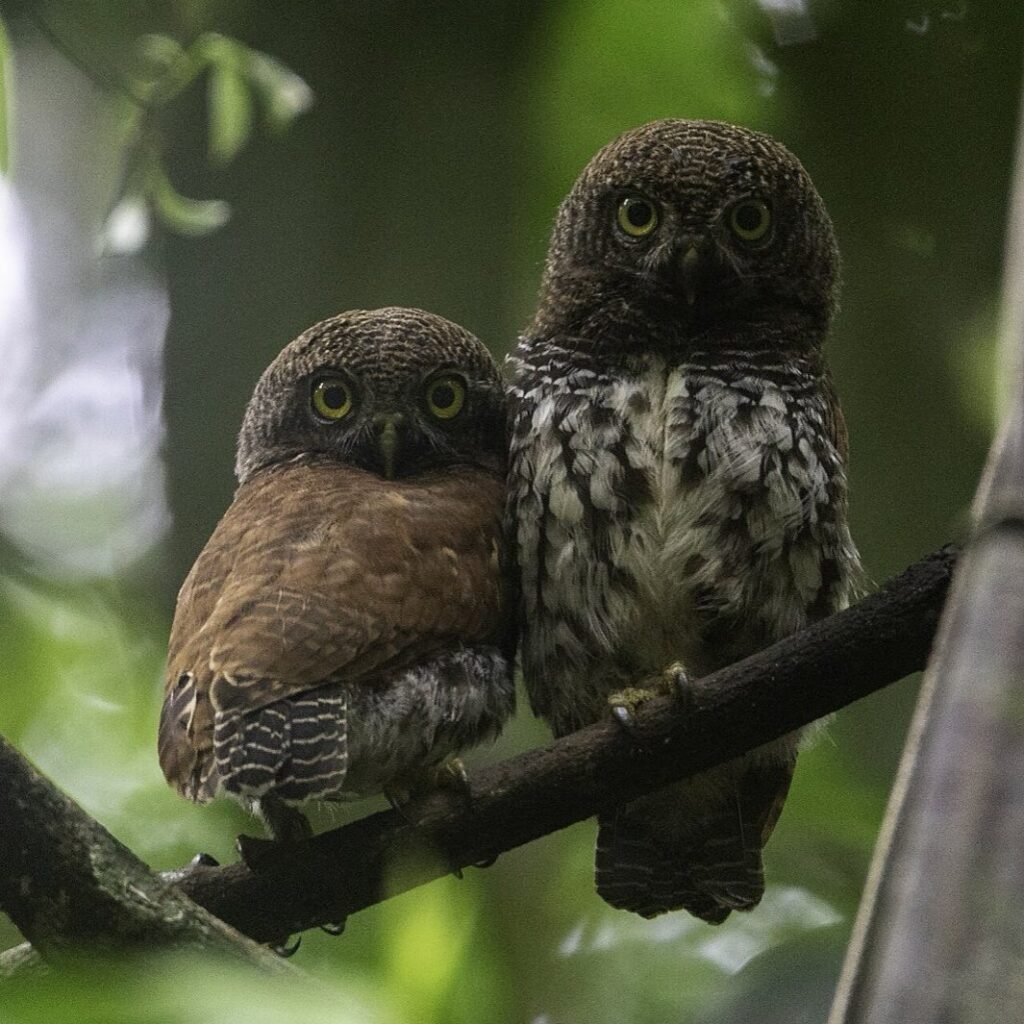
Chestnut backed owlet
From the deck

The forest comes to you

Fruiting trees, the river and the forest edge bring birds right into the grounds. Many guests see their first endemics before breakfast.

endemic birds in Sinharaja
0 +
owls & nightbirds
0
walk to the forest
0 min
Species guide

The birds

Endemic and specialty species found around the lodge and in the reserve. Open any species for field notes.

Chestnut backed owlet
Endemic
Glaucidium castanotum
A small owl that hunts by day as well as by night, often found close to the lodge.
Forest edge and tall trees
Serendib scops owl
Endemic
Otus thilohoffmanni
Only described to science in 2004, this tiny owl is a prize for any visiting birder.
Dense lowland rainforest understorey
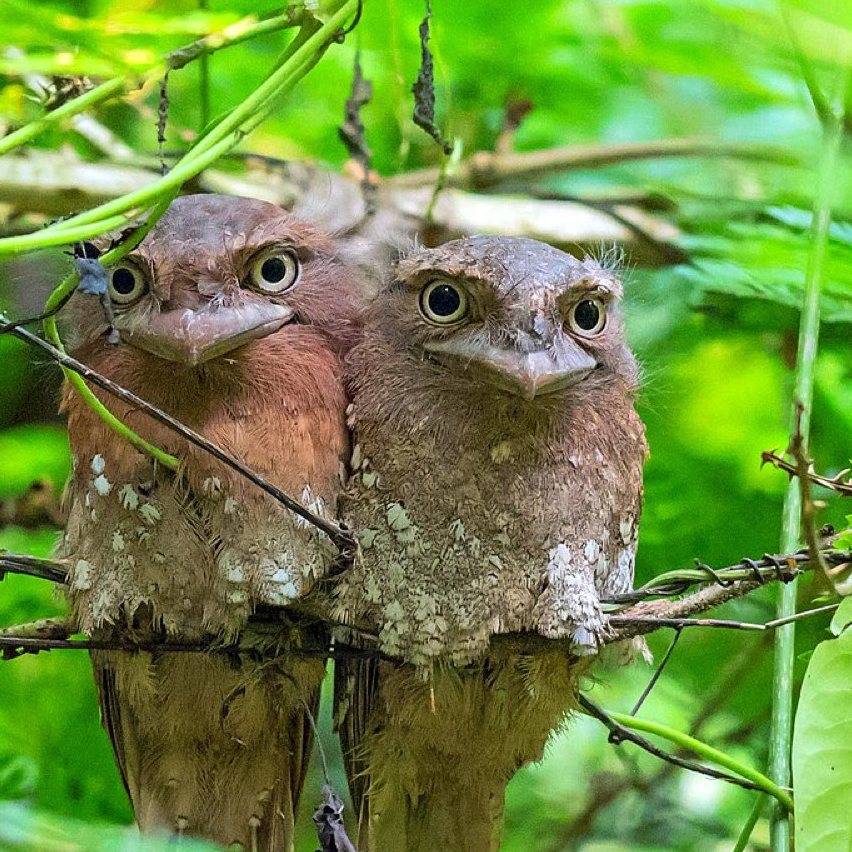
Sri lanka frogmouth
Specialty
Batrachostomus moniliger
Perfectly camouflaged pairs roost by day in the undergrowth; guides know where to look.
Dense, shaded thickets
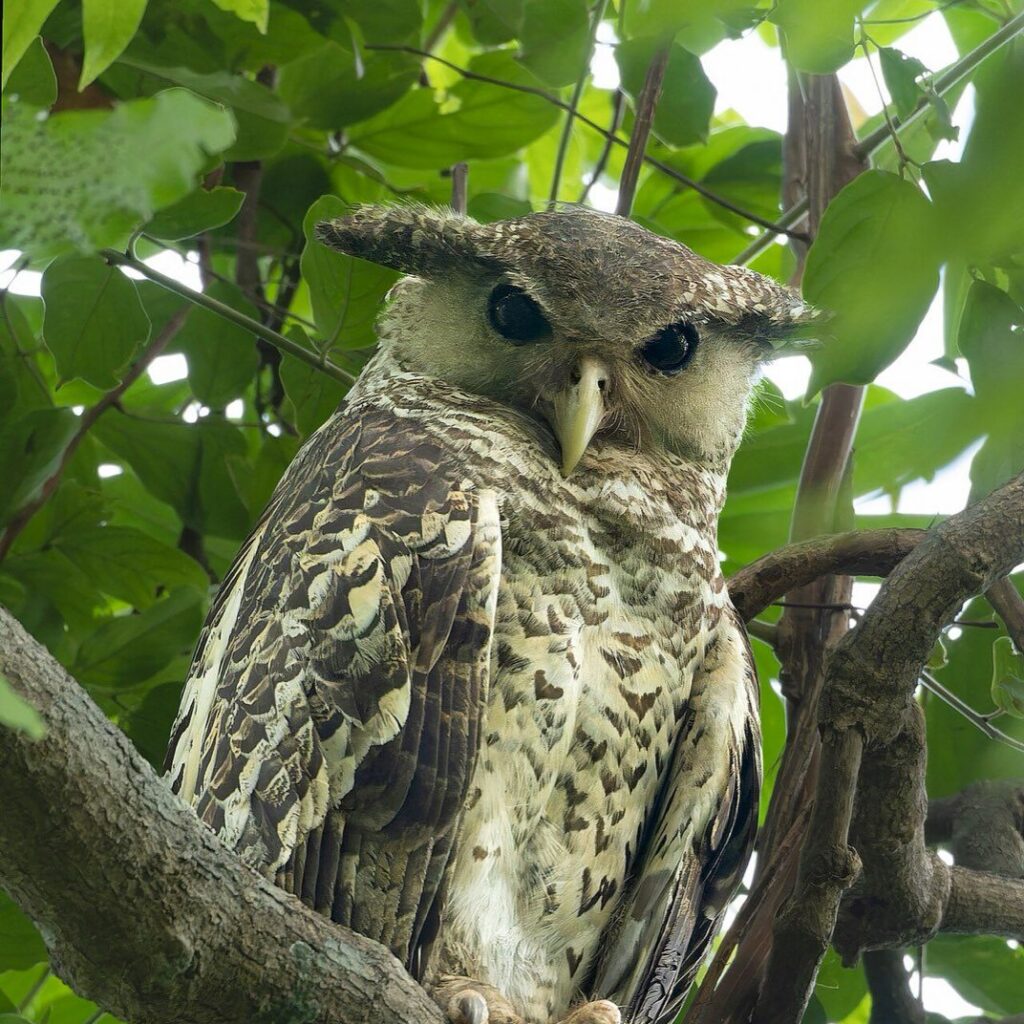
Spot bellied eagle owl
Resident
Bubo nipalensis
A huge forest owl, linked in Sri Lankan folklore to the eerie call of the “devil bird”.
Mature forest
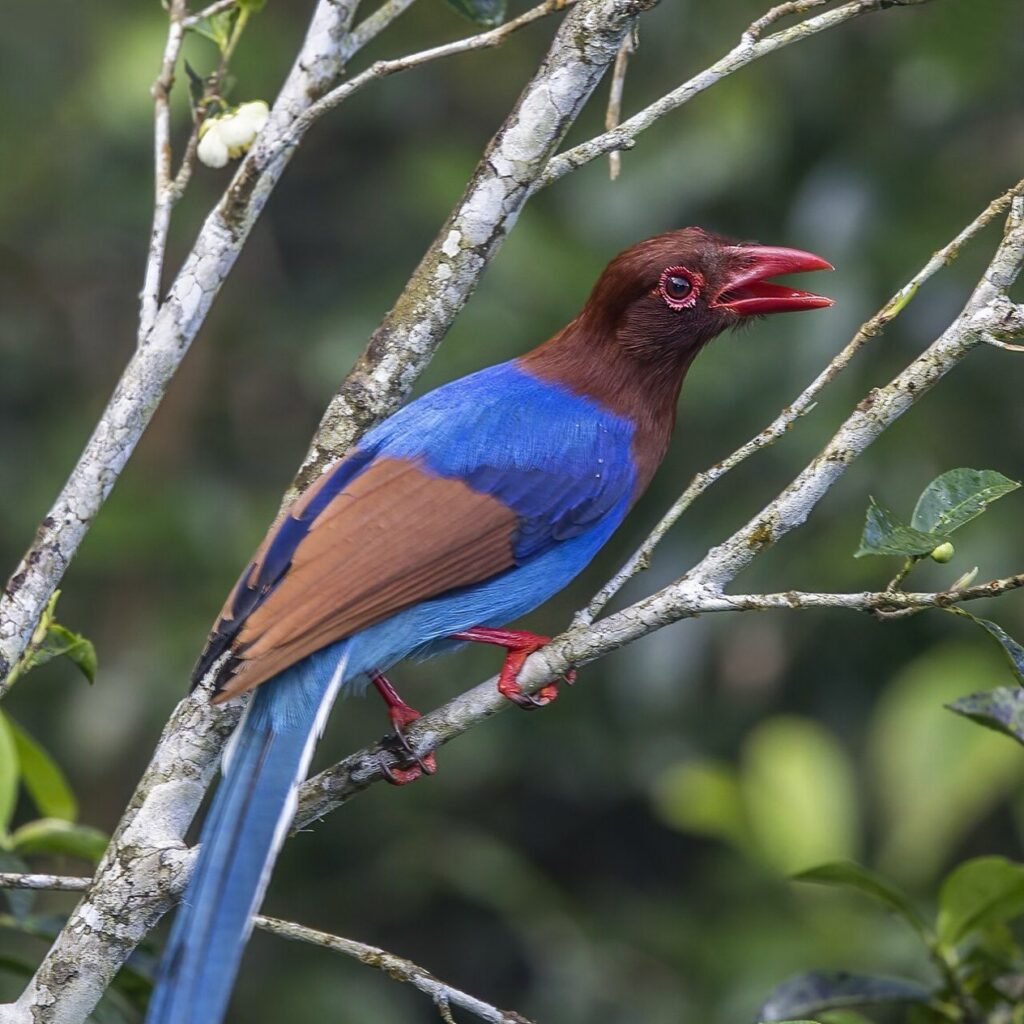
Blue magpie
Endemic
Urocissa ornata
The emblem of Sinharaja: noisy family groups that often travel with mixed flocks.
Rainforest canopy and edges
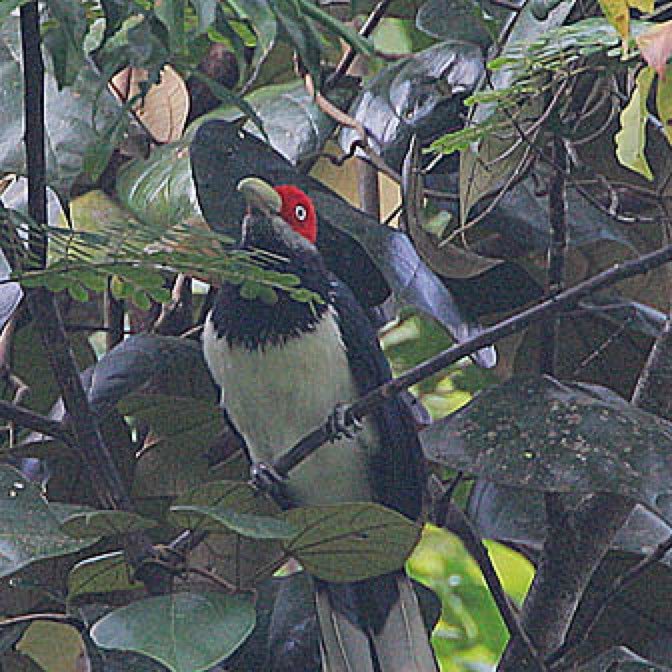
Red faced malkoha
Endemic
Phaenicophaeus pyrrhocephalus
A shy, threatened canopy cuckoo and one of the most wanted birds in Sri Lanka.
Tall forest canopy
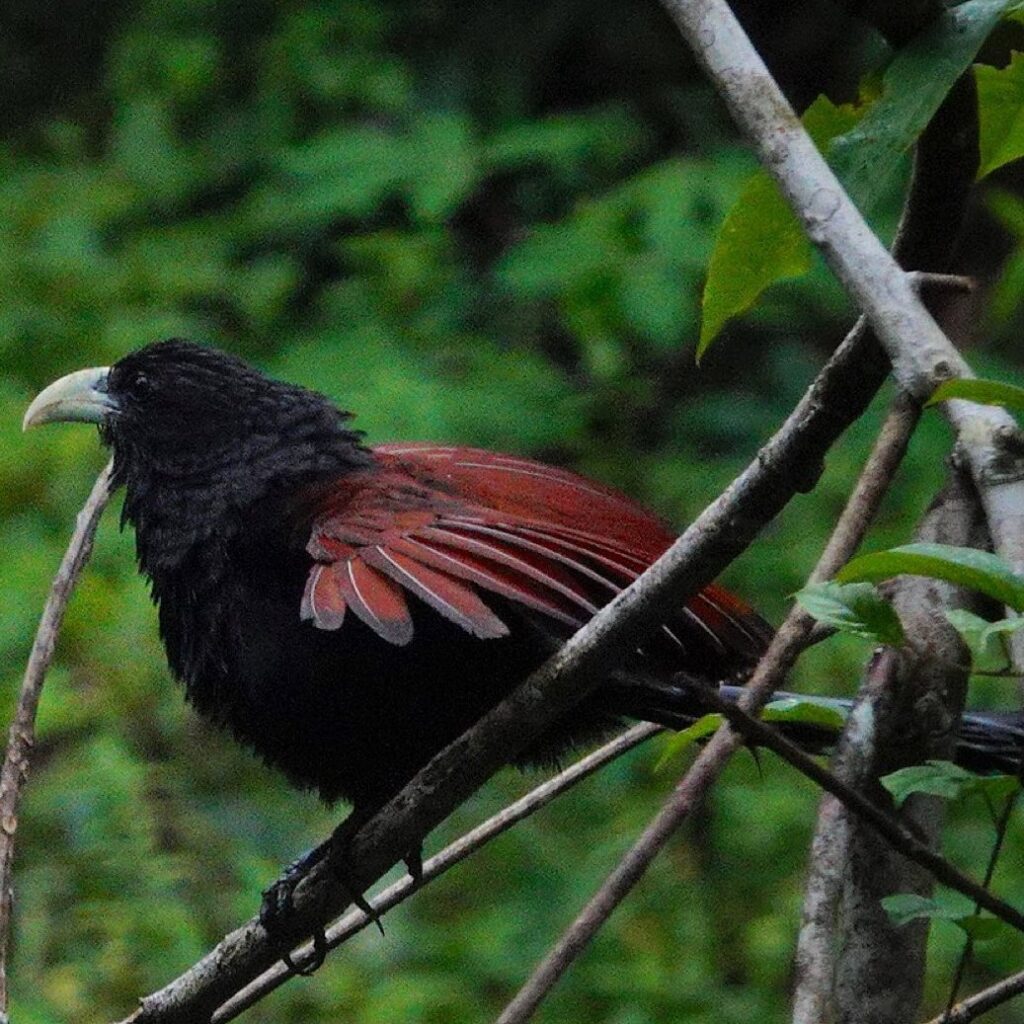
Green billed coucal
Endemic
Centropus chlororhynchos
One of Sri Lanka’s rarest endemics, more often heard than seen.
Dense undergrowth and bamboo
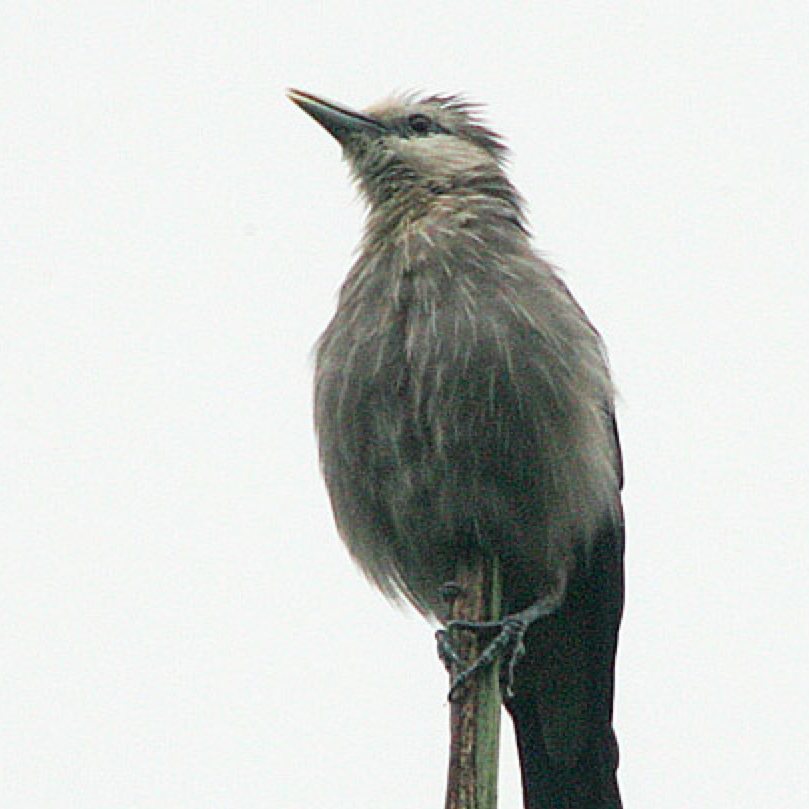
White faced starling
Endemic
Sturnornis albofrontatus
A scarce canopy starling, usually picked out among fruiting trees.
High canopy
Birding calendar

When to visit

Rain falls in every month, but the seasons shape the birding. Early mornings are productive all year.

December – April

Peak season

Generally the driest months. Active mixed flocks and northern migrants present. The most popular time to visit.

May – September

South-west monsoon

Heavier rain and fewer visitors. Birding continues between showers and the forest is at its lushest.

October – November

Inter-monsoon

Afternoon storms and the arrival of migrants. Mornings are often clear.

Trails

Trail information

Distances and times are approximate and depend on the birds. All walks inside the reserve are guided.

01

Lodge garden & riverside

Look for: Barbets, Hanging Parrot, Layard’s Parakeet, Chestnut-backed Owlet
02

Forest edge & research station

Look for: Blue Magpie, Red-faced Malkoha, mixed flocks
03

Mulawella trail

Look for: Scaly Thrush, Spot-winged Thrush, Green-billed Coucal
04

Sinhagala trail

Look for: Forest-interior specialists, by arrangement
Itineraries

Suggested stays

Starting points we adapt to you. Tell us your target species and we will shape the days around them.

2

nights · Rainforest introduction

Two mornings in the forest, an afternoon on the forest edge and a night walk. A first taste of Sinharaja’s endemics.

3

nights · Endemic focus

Time to work through target lists, with a guided full morning in the reserve and owl searches after dark.

5

nights · In depth

Unhurried birding and photography across several trails, with time to return for missed species.

1:1

Private programmes

Private naturalists and photography sessions planned around your goals and dates.

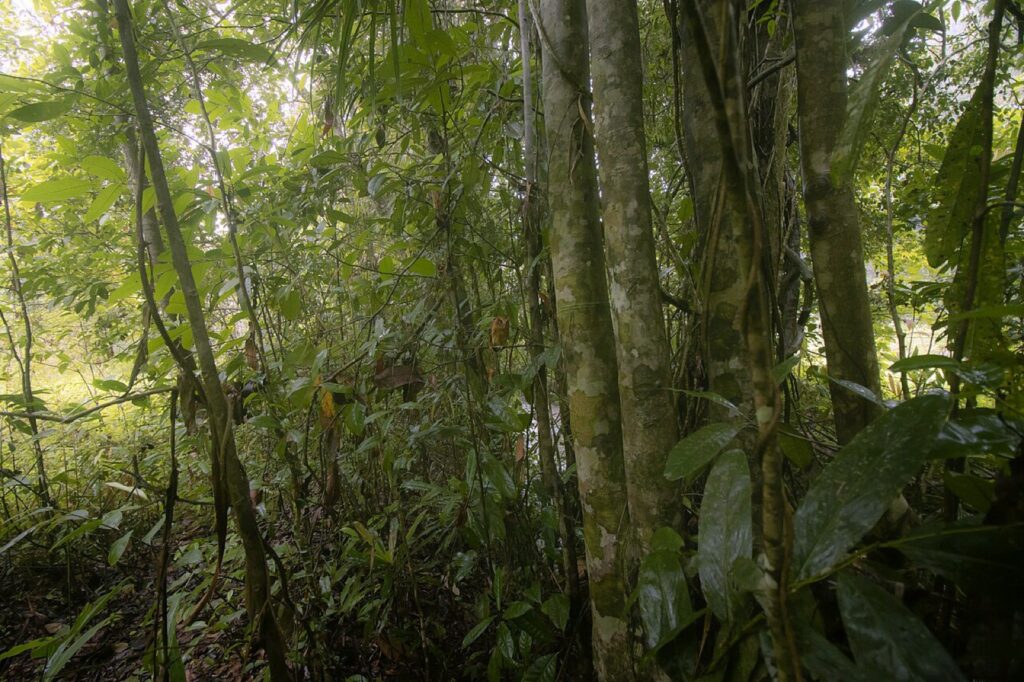
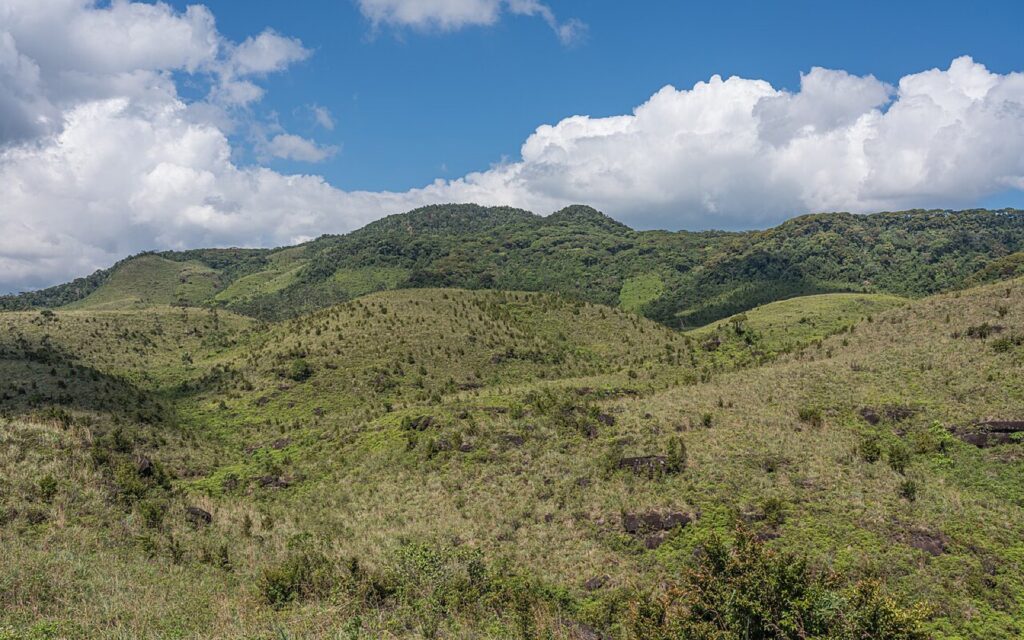
Forest interior
Our naturalists

Guided by people who know the forest by call

Walks are led by local naturalists with years of experience in Sinharaja. They know the territories of the owls, the routes of the mixed flocks and the quiet places where shy species feed.

Naturalist profiles, with languages, experience and favourite birds, will be added here.
Photography

For bird photographers

The rainforest is dark and the birds move fast, so time and local knowledge matter. We plan sessions around the light, the birds’ routines and your goals, always putting the birds first.

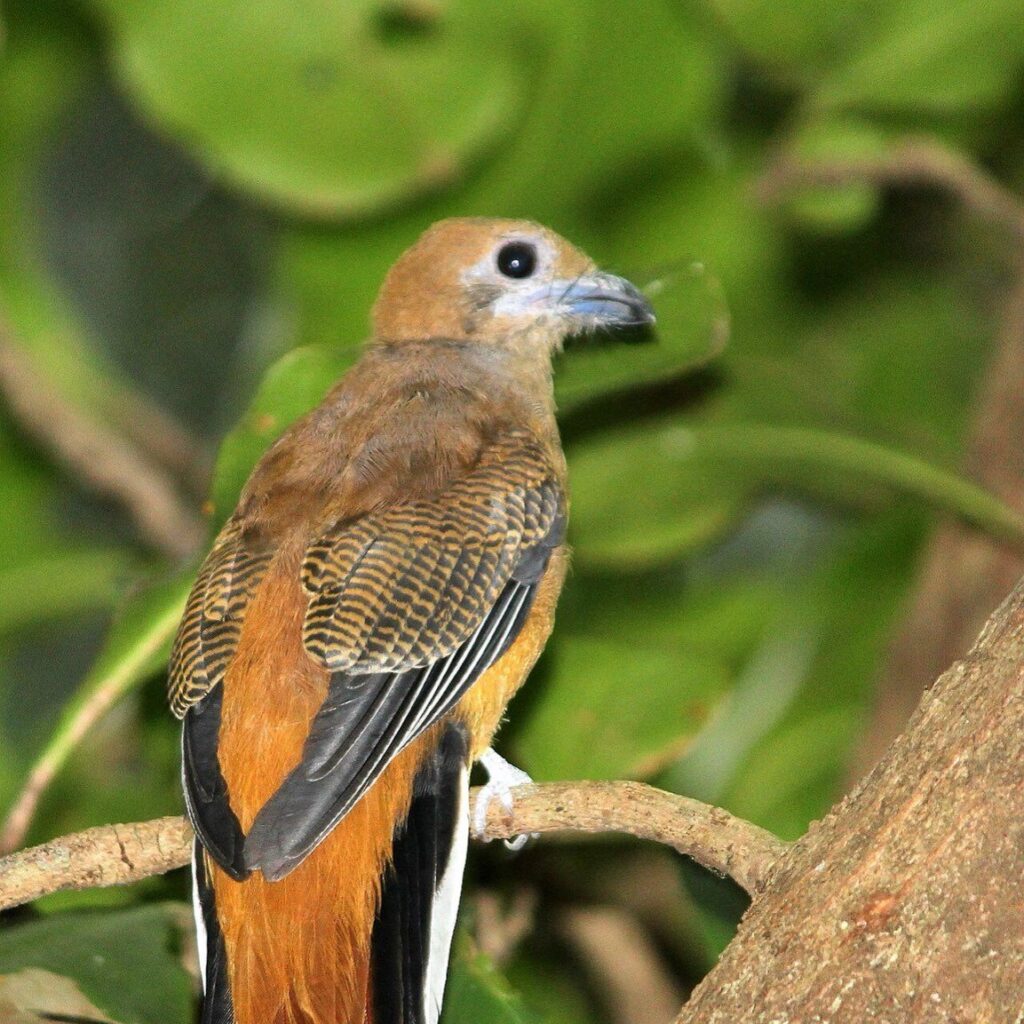
Malabar trogon
Equipment & ethics

Come prepared

What to bring

Birding ethics

Recent sightings

Field notes

Blue magpie
Why the forest can feel silent for an hour, then suddenly erupt with a dozen species at once.
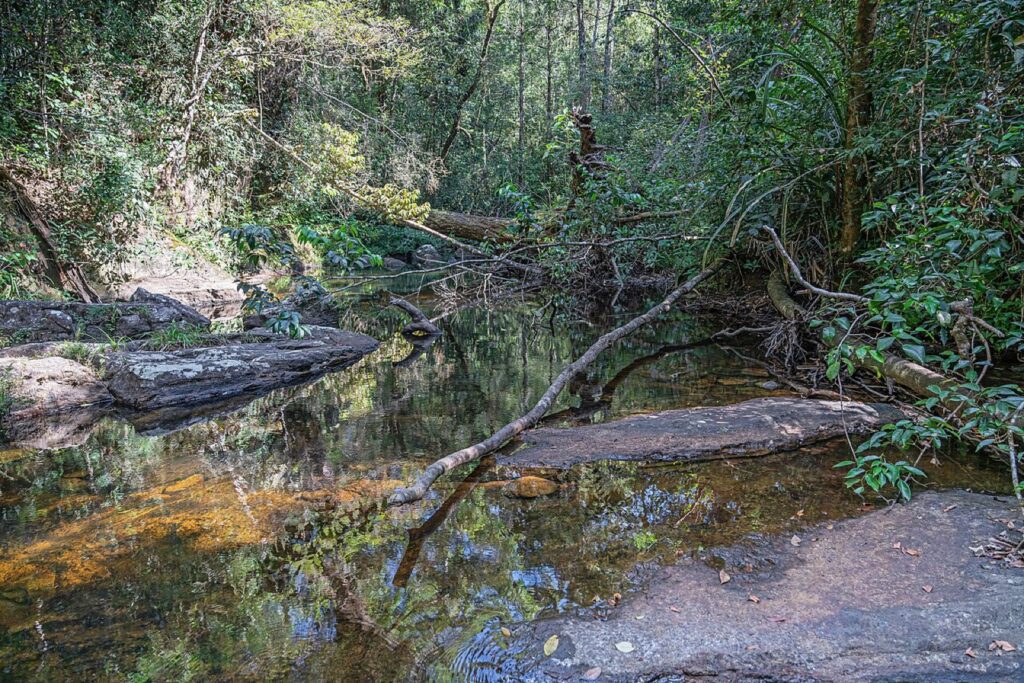
Forest stream
Rain falls in every month, but some seasons are easier than others. Here is how the birding year works.
Serendib scops owl
Described to science only in 2004, this tiny owl is one of Asia’s most recently discovered birds.
Plan your visit

Come for the birds. Stay for the forest.

Tell us your dates, your target species and how you like to travel. We will reply with ideas, availability and a plan for your stay.

Kudawa · live weather