Sri Lanka’s last great lowland rainforest: ancient, unbroken and alive with species found nowhere else on Earth.
Sinharaja is the largest remaining area of primary lowland rainforest in Sri Lanka. Listed as a UNESCO World Heritage Site in 1988, it protects a forest of extraordinary richness: towering trees, clear streams and a wealth of endemic birds, reptiles, amphibians, insects and plants.
Its name is often translated as “lion kingdom”. Today it is one of the most important places in Asia for birders and naturalists.
UNESCO World Heritage Site
lowland rainforest
of Sri Lanka’s endemic birds
rain and lush forest
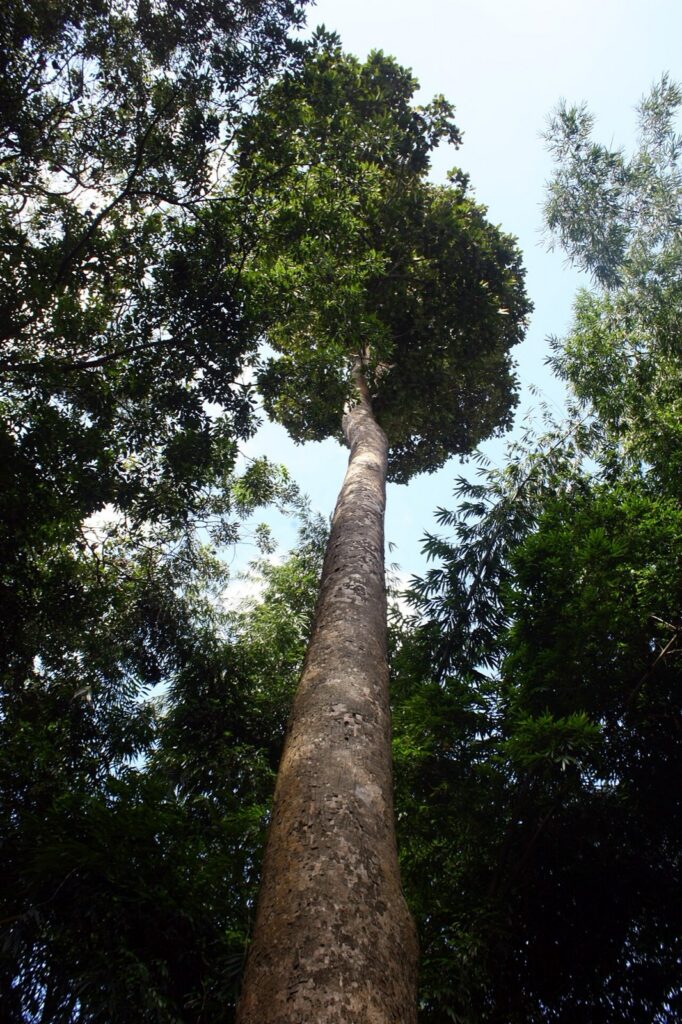
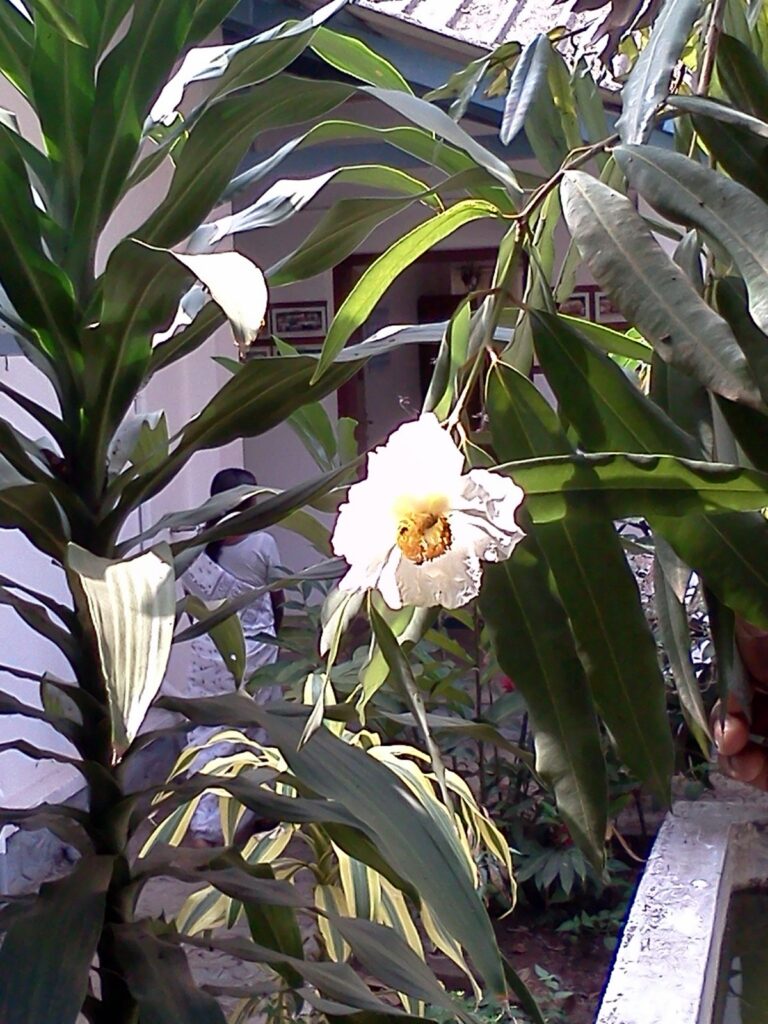
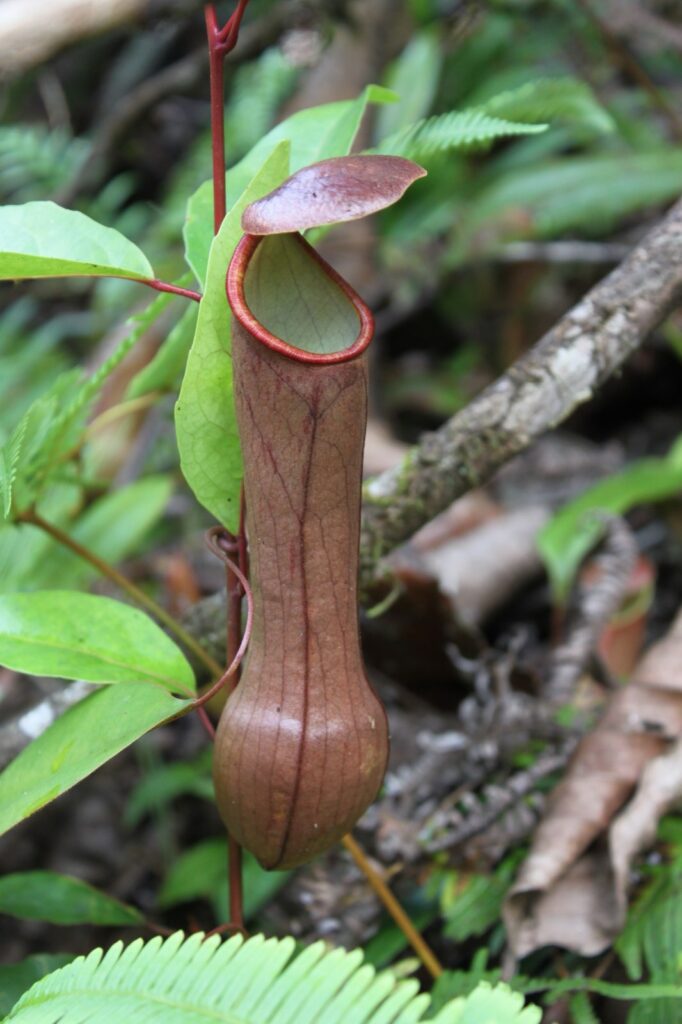
Sinharaja’s canopy is dominated by dipterocarps and other tall trees, many of them endemic. Below them grow palms, tree ferns, orchids and Sri Lanka’s only pitcher plant.
Expect warm, humid days and rain at any time of year. Mornings are usually the clearest. Check the live conditions at Kudawa before you set out.
Tell us your dates, your target species and how you like to travel. We will reply with ideas, availability and a plan for your stay.